JUSTICE WITH HOPE
Alternatives to Incarceration for SUD
Evidence-based clinical programs that reduce recidivism, lower costs, and give courts a credible alternative to jail for substance use disorder cases
THE PROBLEM
Incarceration Alone Doesn't Work for Substance Use Disorder
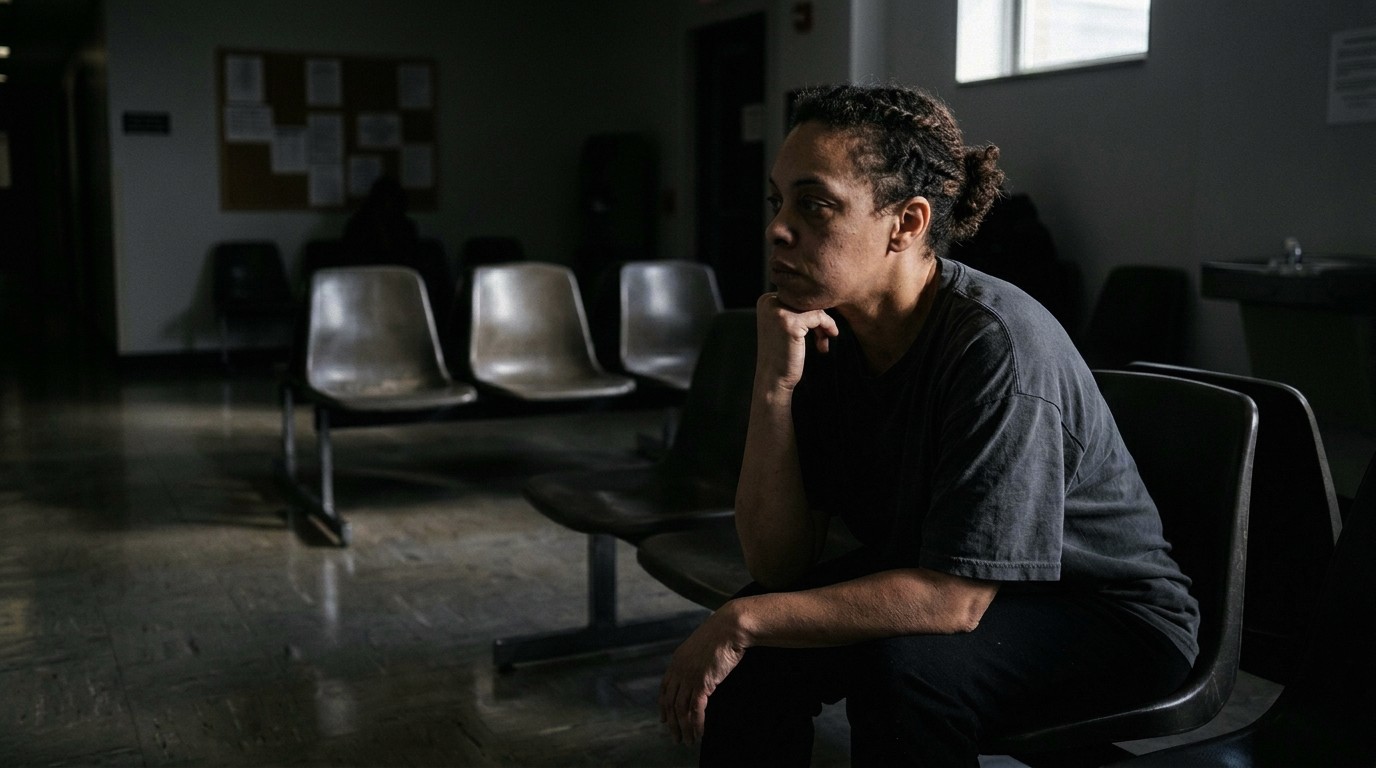
Substance use disorder is a chronic health condition. Incarcerating someone for behavior driven by addiction does not address the underlying cause — it delays it. Without clinical intervention, the cycle continues: release, relapse, reoffense, re-incarceration.
The data is clear. Individuals with untreated substance use disorder have significantly higher reoffense rates than those who receive structured clinical treatment. Incarceration costs taxpayers an average of $35,000 per year per person. Treatment costs a fraction of that — and produces better long-term public safety outcomes.
Courts, attorneys, and prosecutors across the country are increasingly recognizing this reality. Clinical alternatives to incarceration are not a compromise on accountability — they are a smarter approach to justice.
THE SOLUTION
CLINICAL ALTERNATIVES TO INCARCERATION
Clinical alternatives are structured programs that replace or supplement jail sentences with evidence-based treatment, maintaining legal accountability while addressing the root cause.
THE EVIDENCE
PROVEN RESULTS
Decades of research support clinical alternatives to incarceration as both more effective and more cost-efficient than traditional sentencing for substance use disorder cases.
THE PROCESS
How JWHope Works With Courts and Attorneys
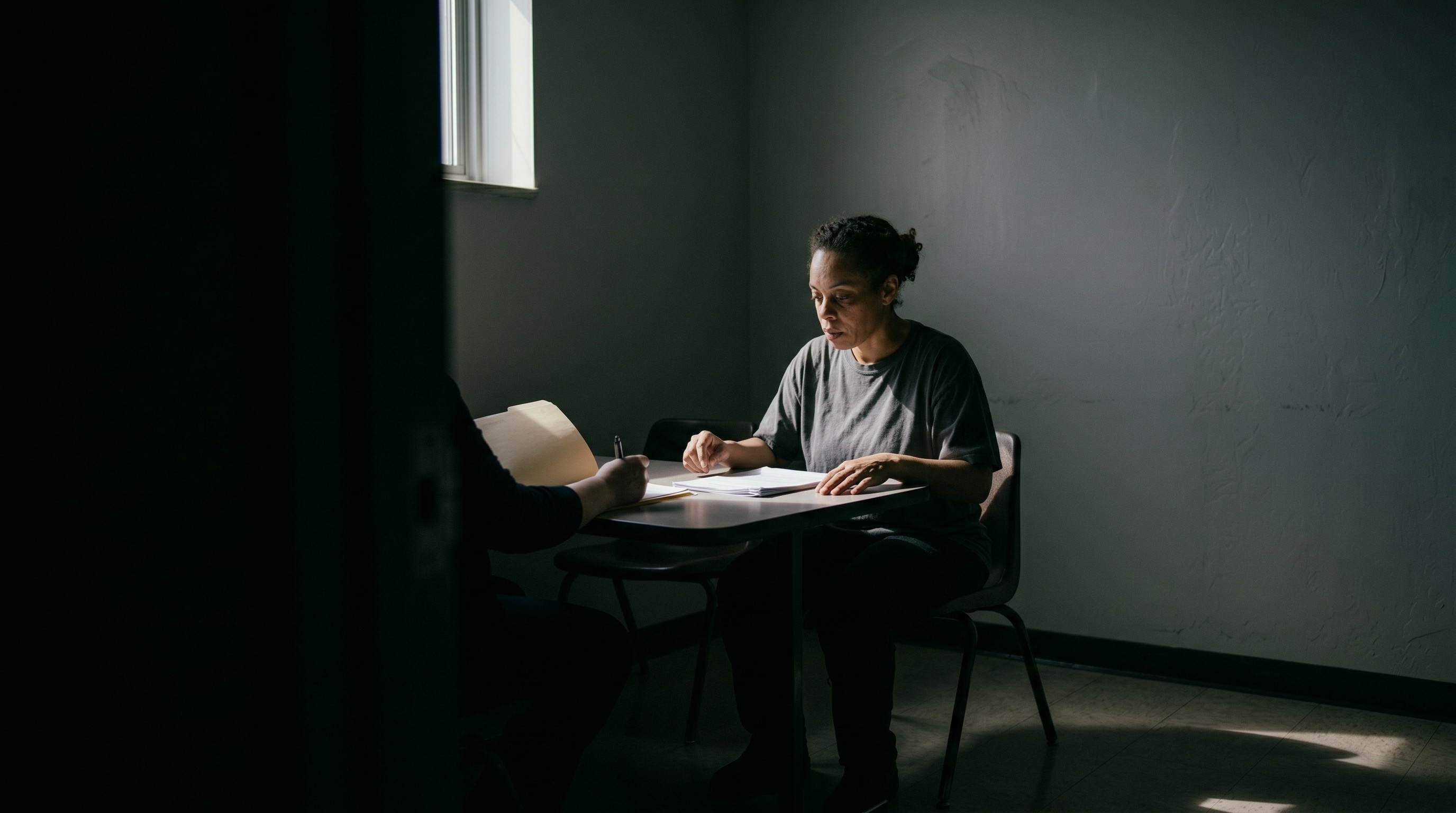
JWHope provides the clinical infrastructure that makes alternatives to incarceration viable and credible for courts and legal professionals. When an attorney or court contacts JWHope, we begin with a rapid case screening to determine eligibility and suitability. We then conduct a comprehensive clinical assessment, develop a structured recovery plan aligned with legal requirements, and provide ongoing compliance monitoring and court reporting throughout the program. Every document we provide is designed to meet court standards. Every report is timely, accurate, and actionable. Our goal is to make the clinical alternative the easiest, most credible choice for the court to make.
Are You a Family Member Looking for Help?
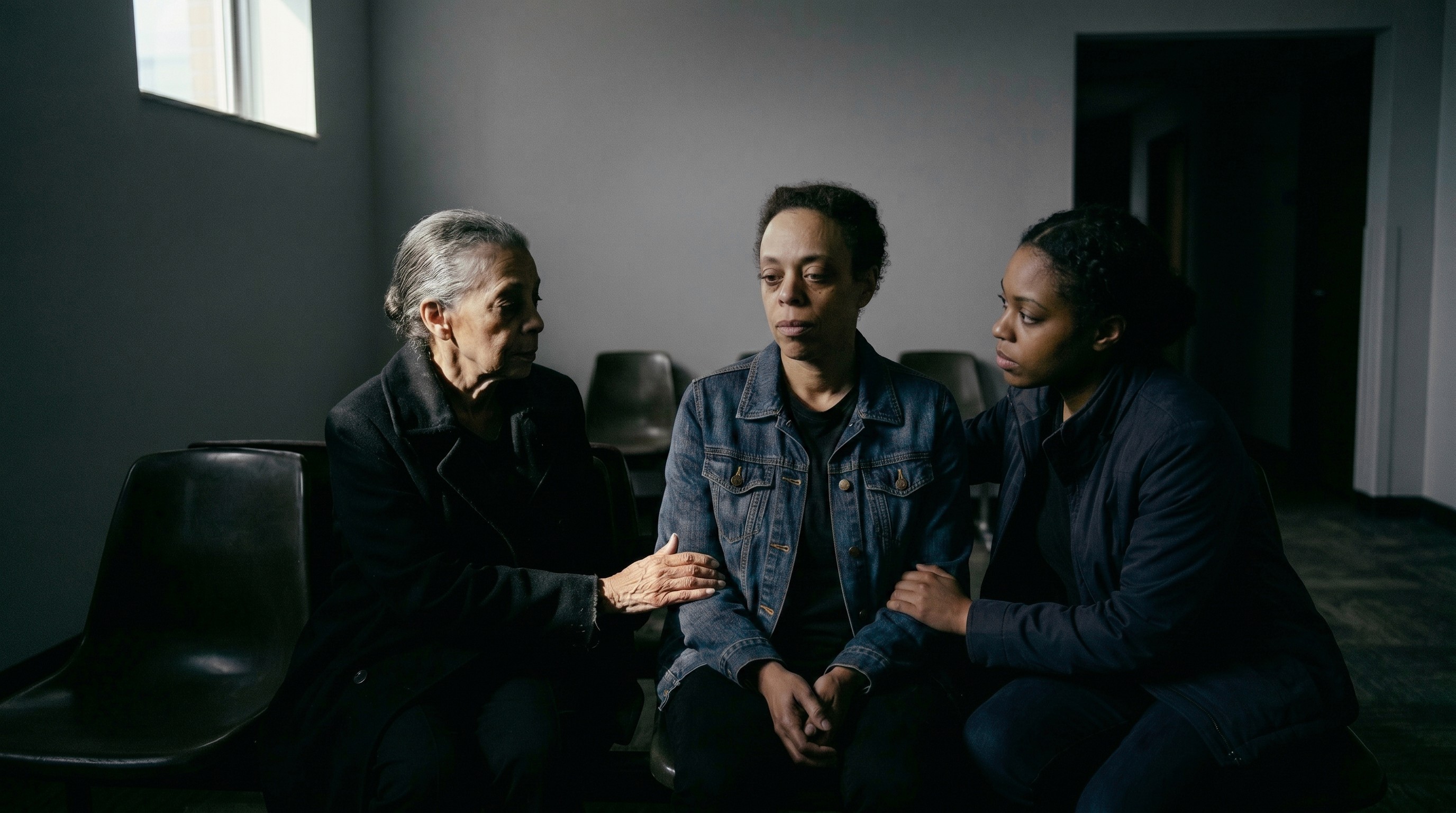
If someone you love is facing drug charges, you don't need an attorney to contact JWHope. We work directly with families to navigate the legal process, explore clinical alternatives to incarceration, and coordinate with the legal team, so you don't have to figure it out alone. The earlier you reach out, the more options are available.
OUR ROLE
Who JWHope Works With
Defense attorneys and public defenders
Judges and court personnel
Probation and parole officers
Families of individuals facing charges
Prosecutors and district attorneys




FAQS
FREQUENTLY ASKED QUESTIONS
What types of cases are eligible for alternatives to incarceration?
Most non-violent cases where substance use disorder is a documented contributing factor are potentially eligible. This includes drug possession, DUI, theft, and related offenses. Eligibility is determined through our clinical screening process and depends on the jurisdiction's specific criteria.
How quickly can JWHope complete an assessment?
Initial case screening can be completed within 24–48 hours of referral. A full clinical assessment and structured recovery plan are typically delivered within 5–7 business days — fast enough to meet most legal timelines.
Does JWHope provide court testimony?
Yes. JWHope clinical staff are available to provide written reports and, when needed, testimony at hearings and sentencing proceedings. We provide courts with the documentation they need to make informed, defensible decisions.
Is JWHope available nationwide?
Yes. JWHope provides clinical alternatives to incarceration services in all 50 states. We work with courts and attorneys wherever the case is located.
How is JWHope different from a treatment center?
JWHope is a clinical navigation and support organization — not a treatment center. We bridge the gap between the legal system and clinical treatment, providing assessment, coordination, court reporting, and monitoring. We connect individuals to the right treatment resources and ensure those resources align with legal requirements.

THIS IS NOT THE END OF THE STORY
When courts choose treatment over incarceration for eligible cases, recidivism falls, costs drop, and lives change. JWHope provides the clinical structure, accountability, and court reporting to make that choice possible.