JUSTICE WITH HOPE
A Structured Path from Court to Recovery
Justice With Hope provides an evidence-based screening and referral pathway that helps courts and attorneys send eligible defendants to substance use disorder treatment instead of jail — without sacrificing accountability or public safety.
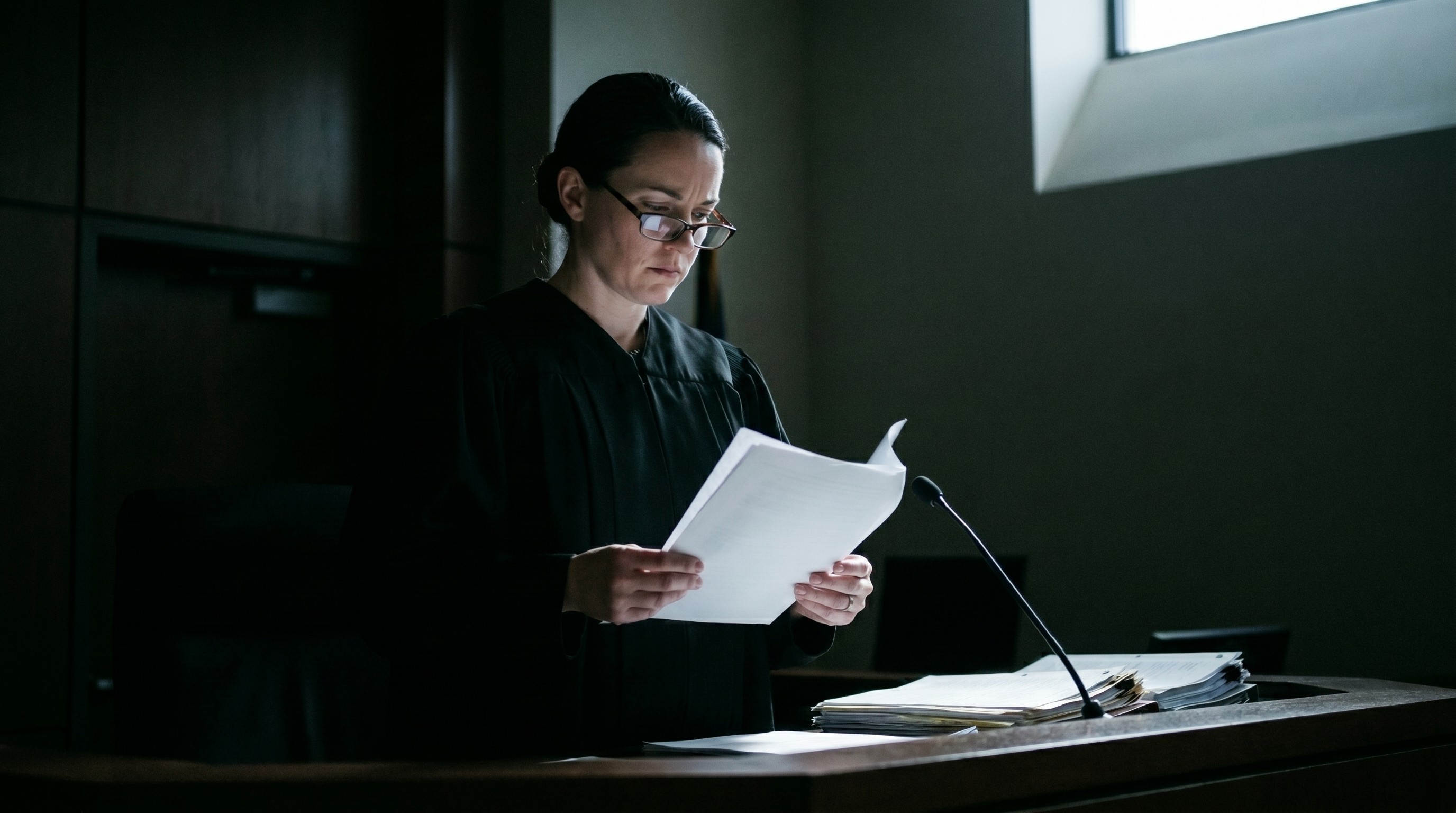
Studies show treatment alternatives cost up to 75% less than incarceration while reducing reoffense rates by over 60%.
THE PROCESS
How the Legal Referral Process Works
Studies show treatment alternatives cost up to 75% less than incarceration while reducing reoffense rates by over 60%.
Case Screening
The process begins with a case screening that evaluates legal and clinical suitability for Justice With Hope, ensuring that only appropriate, motivated participants are referred into treatment.
Clinical Assessment
A licensed addiction specialist conducts a comprehensive assessment, reviewing substance use severity, co‑occurring conditions, and legal history to inform a safe, realistic treatment pathway.
Structured Recovery Plan
Our team develops a written, time‑bound recovery plan that aligns treatment intensity with court supervision length, detailing treatment phases, aftercare, compliance expectations, and reporting milestones.
THE EVIDENCE
Why This Process Matters
OUR ROLE
What the Court Receives

FAQS
Frequently Asked Questions
Find answers to your questions about the JWHope initiative and how we can help.
Who can refer a case to JWHope?
Any legal professional involved in a case can initiate a referral — including defense attorneys, public defenders, prosecutors, judges, probation officers, and court personnel. Family members may also contact us directly, and we will coordinate with the legal team from there.
What types of cases are eligible for the Justice With Hope program?
Cases involving individuals whose criminal charges are directly connected to substance use disorders are typically eligible. This includes drug-related offenses, DUI, theft, and other charges where substance use is a documented contributing factor. Eligibility is determined through our initial case screening process.
How long does the referral process take?
Initial case screening can be completed within 24–48 hours of referral. A full clinical assessment and structured recovery plan are typically delivered within 5–7 business days, allowing attorneys and courts to act quickly without delaying legal proceedings.
What documentation does JWHope provide to the court?
We provide a comprehensive clinical assessment report, evidence-based treatment recommendations, a structured 12–24 month recovery plan, and ongoing compliance reports throughout the program. All documentation is designed to meet court standards and support judicial decision-making.
Does participating in the JWHope program guarantee a reduced sentence?
No. JWHope does not make legal guarantees. Our role is to provide the court with a credible, structured clinical alternative that judges and attorneys can consider in sentencing decisions. Outcomes depend on the individual case, the court's discretion, and the participant's commitment to the program.