1. What Is a Drug Court?
A drug court is a specialized court program that handles cases involving individuals whose criminal behavior is driven by substance use disorder. Instead of processing these cases through the traditional criminal justice system — which typically results in incarceration — a drug court offers a structured, supervised treatment alternative.
Drug courts operate under a collaborative model. Judges, prosecutors, defense attorneys, treatment providers, and probation officers work together toward a common goal: getting the individual into effective treatment and keeping them accountable to the court throughout the process.
Participants who successfully complete a drug court program typically have their charges reduced or dismissed. Drug courts have the strongest evidence base of any criminal justice intervention for substance use disorder — decades of research confirm they reduce recidivism, lower costs, and produce better long-term outcomes than incarceration.
2. How Does a Drug Court Work?
Drug courts operate through a structured process with consistent accountability mechanisms. Unlike traditional court proceedings that typically involve a single sentencing event, drug court is an ongoing relationship between the participant and the court — typically lasting 12 to 24 months.
3. Who Qualifies for Drug Court?
Eligibility criteria vary by jurisdiction, but most drug court programs consider the following factors:

Nature of the Offense
Drug courts typically accept non-violent offenders whose charges are directly connected to substance use — including drug possession, DUI, theft to support a habit, and similar offenses. Violent offenses and certain serious felonies are generally excluded.
Substance Use Disorder Diagnosis
A clinical assessment confirming the presence of a substance use disorder is typically required. This assessment evaluates the severity of the disorder, co-occurring mental health conditions, and appropriate level of care.
Willingness to Participate
Drug court is voluntary. Participants must agree to comply with the program requirements, including treatment, drug testing, and regular court appearances. Motivation and willingness to engage are key factors in eligibility decisions.
4. What Is Pretrial Diversion?
Pretrial diversion is a program that allows eligible individuals to avoid prosecution entirely by completing a supervised treatment or intervention program before their case goes to trial. Successful completion typically results in the charges being dropped — meaning no conviction, no criminal record.
Unlike drug court, which operates after charges are filed and typically after an arraignment, pretrial diversion often occurs earlier in the legal process — sometimes before formal charges are even filed. It is one of the most effective tools available to prosecutors and defense attorneys who want to address the root cause of criminal behavior without creating a lifelong criminal record.
5. How Does Pretrial Diversion Work
The pretrial diversion process varies by jurisdiction, but follows a generally consistent structure:
6. Drug Court vs. Traditional Sentencing
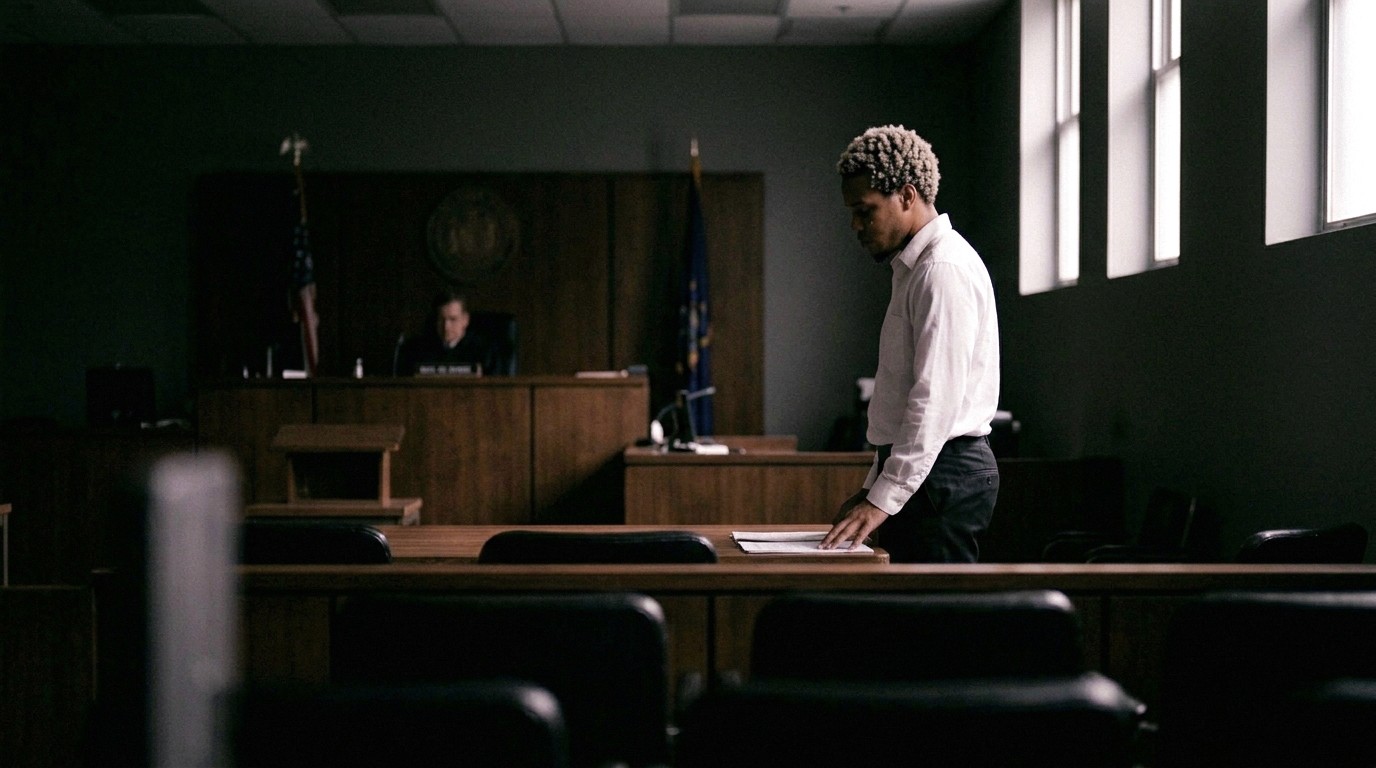
The differences between drug court and traditional sentencing are significant — in outcomes, costs, and impact on individuals and communities.
Traditional Sentencing
Focus: punishment and deterrence
No treatment requirement
Single sentencing event
Incarceration as primary outcome
High recidivism rates
$35,000+ per year per person
Criminal record remains
No ongoing accountability
7. What If You Don't Complete a Drug Court Program?
Non-completion of a drug court program has serious consequences — but the process is designed to support participants before reaching that point.
Most drug courts use a graduated sanctions approach. Early non-compliance — a missed appointment, a positive drug test — typically results in increased supervision, additional treatment requirements, or a brief jail stay. The goal is to correct course, not to punish.
If a participant repeatedly fails to comply or commits a new offense, the court may terminate participation in the drug court program. At that point, the original charges are typically reinstated and the case proceeds through traditional prosecution.
This is why early, structured clinical support is critical. Having a clinical partner like JWHope involved from the beginning — providing treatment coordination, compliance monitoring, and regular court reporting — significantly reduces the risk of non-completion.
8. How Clinical Support Fits Into Drug Court
Drug courts require clinical expertise to function effectively. Judges are not clinicians. Attorneys are not treatment specialists. The bridge between the legal process and effective treatment is a qualified clinical partner.
Clinical support in drug court includes:
01
Clinical Assessment
A comprehensive evaluation that identifies the appropriate level of care, co-occurring conditions, and individualized treatment needs — providing the court with a credible, evidence-based foundation for its decisions.
02
Treatment Coordination
Connecting participants with the right treatment resources — outpatient, residential, medication-assisted — and ensuring continuity of care throughout the program.
03
Compliance Monitoring
Regular check-ins, drug testing coordination, and attendance verification — providing the court with accurate, timely information on participant progress.
04
Court Reporting
Written progress reports and testimony as needed — giving judges and attorneys the documentation they need to make informed decisions at every stage of the program.
9. How JWHope Works With Drug Courts and Attorneys
JWHope provides the clinical infrastructure that makes drug court programs viable and credible for courts, attorneys, and participants. We are not a treatment center — we are the clinical bridge between the treatment world and the legal system.
When a defense attorney, prosecutor, or judge contacts JWHope about a case, we begin immediately. We conduct a rapid clinical screening to assess eligibility and suitability, followed by a comprehensive clinical assessment that produces documentation meeting court standards. We then develop a structured recovery plan and provide ongoing monitoring and reporting throughout the program.
Our goal is to make the clinical alternative the easiest, most credible choice for the court to make. Every document is timely, accurate, and actionable. Every report reflects the participant's actual progress. We don't disappear after the assessment — we stay involved for the full duration of the program.
10. Frequently Asked Questions
Is drug court available in every state?
Yes. Drug courts operate in all 50 states and U.S. territories. The specific eligibility criteria, program structure, and available resources vary by jurisdiction. Contact JWHope to learn about options in your area.
Can a defense attorney request drug court for their client?
Yes. Defense attorneys can and should raise drug court eligibility early in the legal process — ideally before charges are formally filed. The earlier a clinical alternative is presented, the more options are available.
How long does a drug court program typically last?
Most drug court programs last between 12 and 24 months, depending on the jurisdiction and the individual's clinical needs. Successful completion typically results in dismissed or reduced charges.
Does drug court work?
Yes — the evidence is clear. Studies consistently show that drug court participants have significantly lower reoffense rates than those processed through traditional courts, at a fraction of the cost to taxpayers.
How is JWHope different from a treatment center?
JWHope is not a treatment center — we are a clinical navigation and support organization. We bridge the gap between the legal system and clinical treatment, providing assessment, coordination, court reporting, and monitoring. We connect individuals to the right treatment resources and ensure those resources align with legal requirements.