What Is a Drug Court? A Clinical Alternative to Incarceration for Drug Charges
5 min
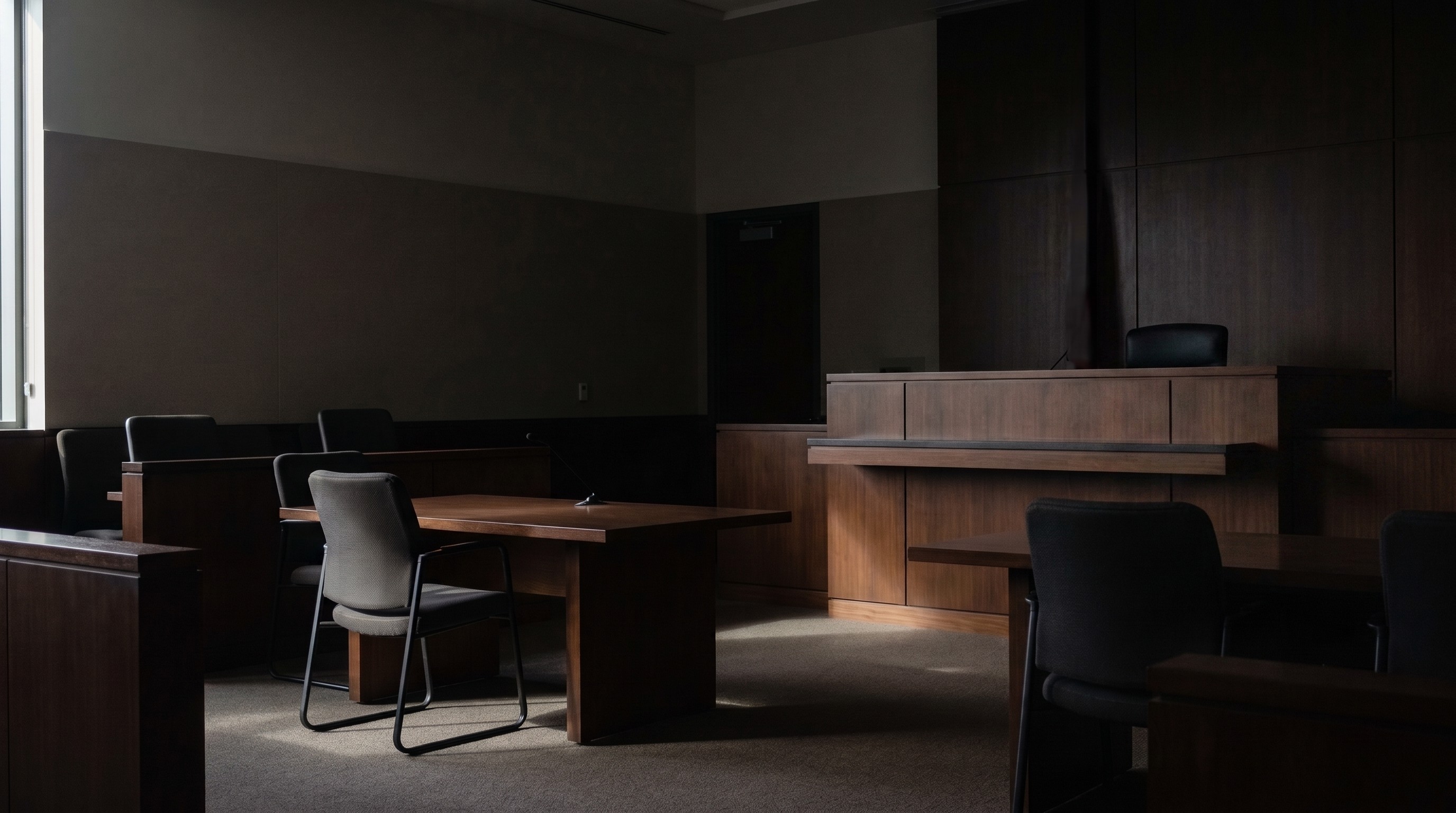
A drug court is a specialized court docket that offers people facing drug-related charges a structured, supervised treatment program as an alternative to standard prosecution and incarceration. Instead of moving straight from charge to sentencing, eligible individuals are routed into a program combining substance use treatment, regular judicial check-ins, drug testing, and case management — with the possibility of reduced charges or a dismissed case upon successful completion.
There are more than 3,800 treatment courts operating across the United States today, covering adult drug courts, family treatment courts, juvenile drug courts, and veterans courts. It is one of the most researched interventions in the American justice system, and the research is unusually consistent.
Does It Actually Work? What the Data Shows
Yes — more consistently than almost any other justice intervention. Drug court participants are nearly three times less likely to reoffend within one year of completion compared to people who were eligible but never enrolled: 2.5% versus 6.1%. A meta-analysis of 154 evaluations found that adult drug court participation drops recidivism on average from about 50% to 38%. A 2025 evaluation of New Hampshire's drug treatment court programs found that 82% of enrolled individuals had no subsequent conviction during or after the program.
The economics back this up too. Every $1 invested in drug courts returns $2 to $4 in direct taxpayer savings, with some estimates of broader social benefit reaching $27 for every dollar spent, once reduced incarceration costs, lower healthcare utilization, and increased employment are factored in.
How Drug Court Actually Works
Drug court isn't a single event — it's a supervised program that typically runs 12 to 24 months. A judge, prosecutor, defense attorney, and treatment provider work as a single team around each participant rather than as adversaries. The individual undergoes a clinical assessment to determine the right level of care, then enters treatment — outpatient, intensive outpatient, or residential — while appearing before the drug court judge regularly, often weekly at first. Random drug testing, case management support for housing and employment, and a phased structure with increasing independence as milestones are met round out the program. Graduation typically results in reduced or dismissed charges; failure to comply can result in the case returning to standard prosecution.
Why the Clinical-Legal Handoff Is the Hard Part
Drug court's team-based model only works if the clinical side and the legal side are actually coordinated — not two separate processes running in parallel. Courts need a partner who can conduct assessments, place participants with appropriate treatment, coordinate transport, and report progress back to the judge in a form the court can act on at each hearing. Most treatment providers aren't built for that level of legalsystem integration, and most legal referral processes aren't built to manage ongoing clinical care.
This is JWHope's core function. We work directly with courts, prosecutors, and public defenders across intervention, clinical consulting, legal support, transport, and long-term monitoring — the full loop a drug court model requires, managed by one team instead of handed off between disconnected providers.
If you're a court, attorney, or family member exploring a drug court referral or another clinical alternative to incarceration, call 888-408-HOPE.